.webp?width=250&height=25&name=Group%20601%20(3).webp)
Creating a Future Ready Workplace: How Citi Bank’s Seef Branch Achieved LEED Gold Through Sustainable Interior Transformation
In an era where organisations are accelerating their sustainability commitments, Citi Bank has taken a bold step by transforming its Seef Branch into a future‑ready, environmentally responsible workplace. Through a comprehensive LEED‑aligned strategy and meticulous project management, the bank successfully delivered a modern, efficient, and sustainably designed interior that is setting a benchmark for green office environments in Bahrain’s financial sector.
As we partnered with the Citi project team and LEED consultants to lead the sustainability, material compliance, and documentation processes. We made sure every design, procurement, and construction decision supported the bank’s LEED ID+C v4 Gold certification target.
A vision for sustainable transformation
Citi Bank’s objective was clear:
Create a high‑performance workspace that enhances employee well‑being while significantly reducing the environmental footprint of daily operations.
Located in one of Bahrain’s busiest financial districts, the new 10,000+ sq. ft. office brings together aesthetics, comfort, efficiency, and sustainability that embody Citi’s global ESG ambitions.
From the outset, the project embraced core principles of green design, including indoor air quality protection, responsible material selection, waste minimisation, and energy‑efficient systems integration.
How the project achieved LEED Success
1. Responsible Sourcing & Material Compliance
A critical component of the certification involved selecting products that met LEED requirements for:
-
Low VOC adhesives, sealants, paints and coatings
-
Recycled content and regionally sourced materials
-
Products with Environmental Product Declarations (EPDs)
-
FSC‑certified wood where applicable
We coordinated with more than a dozen suppliers to obtain:
- VOC and emissions certifications
- Recycled content declarations
- Supplier origin statements
- Regional sourcing documentation
Every material used, from partitions to coatings to MEP items, was screened for LEED compliance, ensuring the space was not only beautiful, but also healthy.
2. Local & Regional Procurement to Reduce Carbon Footprint
To minimise transportation emissions and support regional manufacturers, the project prioritised materials sourced within 800 km, contributing to LEED MRc5 (Regional Materials).
Examples include:
- Jotun Paints – Bahrain (20 km)
- Mapei Adhesives – Bahrain (25 km)
- Local MEP suppliers – 15–40 km
- Knauf Insulation – UAE (500 km)
This strategy strengthened the local value chain while lowering embodied carbon in the construction process.
3. Cutting Waste Through Strategic Construction & Demolition Management
Sustainability began before construction even started.
During demolition, the project implemented structured waste segregation systems for:
- Metal
- Wood & pallets
- Plastic
- Cardboard
- Raised floor offcuts
- General waste
A significant portion of demolition materials were recycled through certified facilities, while reusable items such as furniture and pallets were recovered for future use.
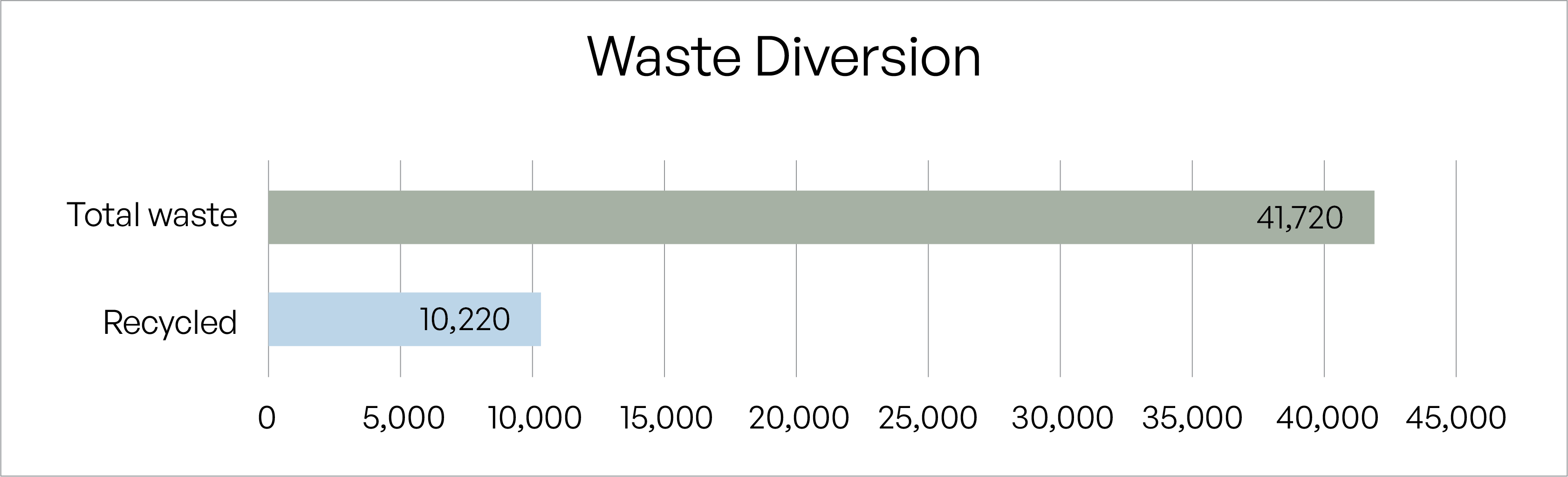
This approach aligned with LEED MR Credit: Construction Waste Management, demonstrating Citi’s commitment to circularity.
4. Protecting Indoor Air Quality During Construction
Throughout the fit‑out process, meticulous IAQ protection ensured the office remained safe, clean, and free from contaminants.
Measures included:
- Sealing HVAC ducts and diffusers during installation
- Installing carpet mats at all access points
- Covering and protecting all stored materials
- Strict no‑smoking enforcement
- Regular dust suppression and housekeeping
- Temporary ventilation fans to maintain proper air exchange
Bi‑weekly IAQ photographic reports were submitted to the LEED consultant to ensure continuous compliance.
5. Energy & Water Efficiency: Designing for Long‑Term Performance
To reduce operational costs and minimise environmental impact, the office integrates:
- Low‑flow water fixtures
- Energy‑efficient VE appliances
- Lighting controls, occupancy sensors & motion detectors
- Non‑CFC HVAC systems
These features collectively support LEED credits for energy performance and water efficiency.
A Workplace Designed for Well‑Being and Productivity
Beyond technical achievements, Citi Bank’s Seef office offers a thoughtfully designed environment that prioritises user experience:
- A bright, open floor plan
- Collaboration zones and meeting rooms
- A contemporary kitchen with biophilic greenery
- Comfortable recreational areas
- Low‑emitting finishes for a healthier atmosphere
The result is a high‑performance, human‑centric workspace that enhances comfort, focus, and collaboration, while reducing operational environmental impact.
Documentation Excellence: A Key to Certification Success
A large part of LEED certification depends not only on sustainable practices, but also on accurate, transparent, and timely documentation.
Havelock One developed and submitted:
- Construction Waste Management Plans
- Indoor Air Quality Reports
- Material Logs
- VOC & sustainability certificates
- Recycling & disposal records
- Bi‑weekly photographic reports
This rigorous documentation ensured full traceability and compliance with every LEED requirement.
The Outcome: A Modern, Sustainable, and Responsible Workplace
Through strong collaboration, careful planning, and our teams commitment to green building principles, the Citi Bank Seef Branch achieved:
- LEED Gold Certification (ID+C v4)
- Over 80% waste diverted or reused
- 100% low‑emitting materials in key categories
- 30%+ regionally sourced materials
- Improved indoor air quality
- Long‑term reductions in water and energy usage
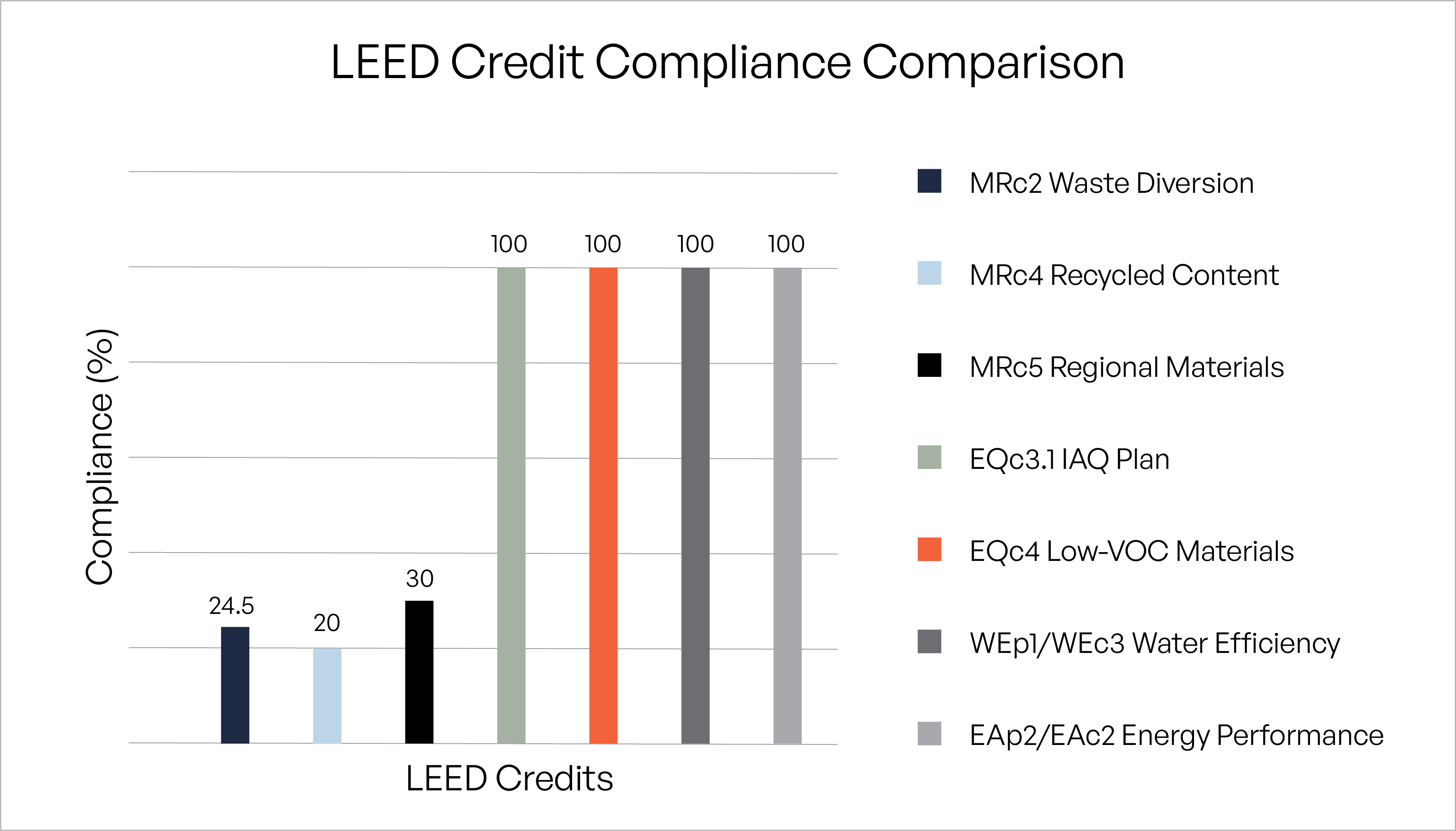
This project demonstrates Citi Bank’s leadership in sustainable workplace transformation that is setting a new standard for environmentally conscious corporate spaces in the region.
-1.jpg?width=767&name=RedSea%20Awards%20(35)-1.jpg)
%20resized%20copy-1.webp?width=767&name=CID%20Hospitality%20Awards%202025%20(71)%20resized%20copy-1.webp)