.webp?width=250&height=25&name=Group%20601%20(3).webp)

As sustainability redefines luxury retail, Havelock One is playing a key role in that evolution
Luxury today is no longer defined solely by exclusivity and aesthetic perfection. Increasingly, global brands are reshaping their identity around responsible sourcing, sustainable construction, and environmentally conscious retail environments.
As consumer expectations evolve and ESG standards become central to business strategy, sustainability is influencing every stage of the retail journey, including store design and fit-out. According to Luxury Market Global, 56% of luxury consumers now prioritise environmental responsibility when making purchasing decisions, while KPMG reports that leading luxury brands are embedding sustainability into their core business strategies through responsible sourcing, circular business models, and greater supply chain transparency.
Why sustainability now defines modern luxury
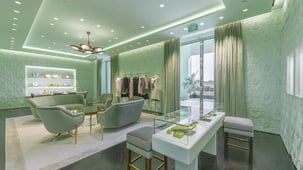
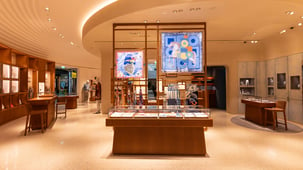
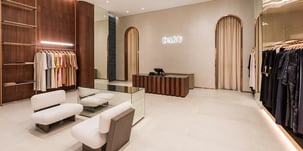
Sustainable luxury at the store level: The role of green fit outs
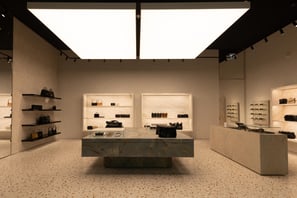
According to the United Nations Environment Programme, fashion accounts for up to 10% of global carbon emissions, with retail environments contributing significantly through operational energy and construction impact.
As luxury brands expand globally, especially in high‑growth markets like the Middle East, the responsibility for delivering environmentally responsible stores falls heavily on specialised project teams and fit‑out contractors.
How Havelock One is enabling LEED‑certified luxury retail in Bahrain
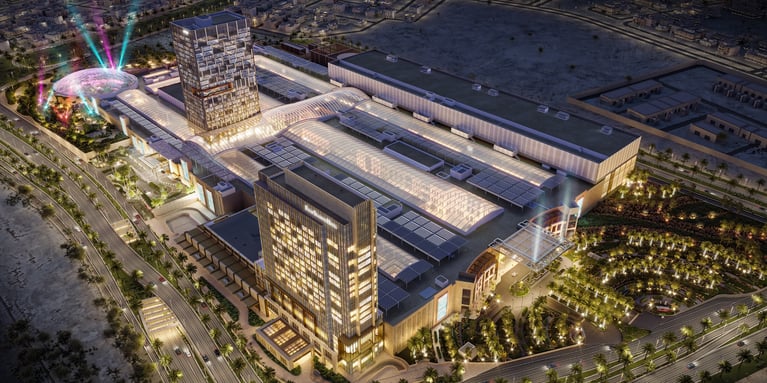
Havelock One has delivered multiple LEED v4 ID+C Retail-certified luxury boutiques across the Middle East. At Marassi Galleria Mall in Bahrain, our project teams worked alongside global luxury brands to meet rigorous LEED requirements while preserving each brand's unique design language.
Below is a showcase of luxury brands we have helped to achieve LEED certification:
1. Luxury retail store – LEED Silver
Marassi Galleria Mall, Bahrain - First floor
LEED v4 ID+C: Retail – Certified September 2024
This luxury brand outlet achieved LEED Silver by optimising energy performance, selecting responsible materials, and emphasising indoor air quality while upholding its global luxury design standards.
2. Dolce & Gabbana – LEED Silver
Marassi Galleria Mall, Bahrain - First floor
LEED v4 ID+C: Retail – Certified August 2024
D&G focused on energy‑efficient MEP systems, low‑emitting materials, sustainable procurement, and compliance within a live‑mall construction environment.
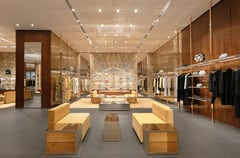
3. Luxury retail store – LEED Gold
Marassi Galleria Mall, Bahrain - First floor
LEED v4 ID+C: Retail – To be attained
In the process of achieving LEED Gold, the project required meeting stringent requirements for air quality, energy performance, and construction waste monitoring. Our teams delivered these while upholding the brand’s high standards of quality and finish.
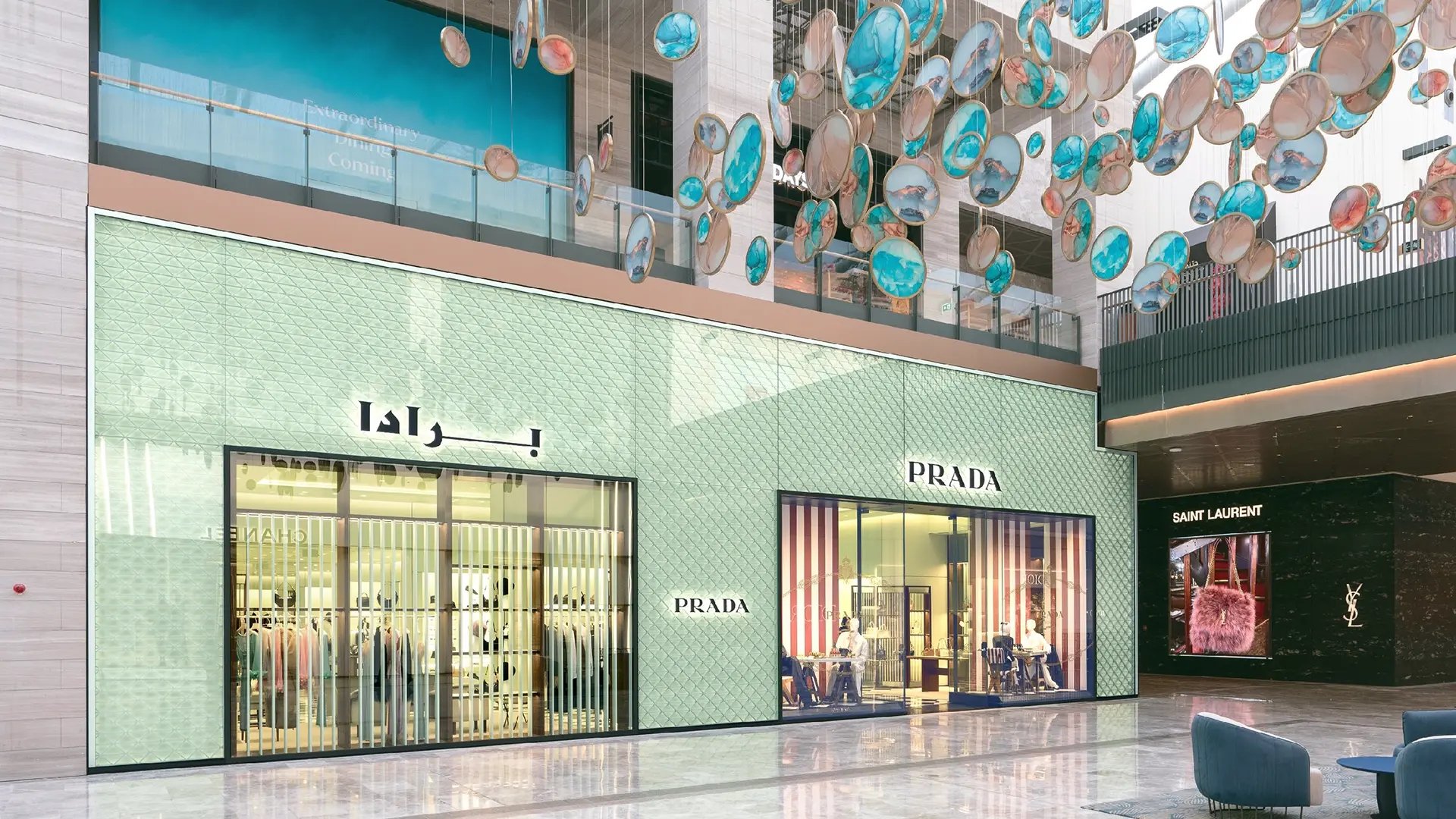
4. PRADA – LEED Gold
Marassi Galleria Mall, Bahrain - First floor
LEED v4 ID+C: Retail – To be attained
LEED Gold certification is being attained through advanced energy strategies, high‑efficiency lighting, VOC‑free materials, and strict environmental performance monitoring during construction.
5. Luxury retail store – LEED Gold
Marassi Galleria Mall, Bahrain - First floor
LEED v4 ID+C: Retail – To be attained
Currently pursuing LEED Gold certification, the project incorporates optimised mechanical systems, sustainable finishes, comprehensive sustainability documentation, and careful alignment with the brand’s distinctive design vision.
Sustainability focused project execution
As an award-winning turnkey interior fit-out company specialising in luxury retail and sustainable fit outs, our responsibilities included:
• Managing full cycle execution of luxury retail fit outs
• Ensuring LEED v4 ID+C compliance during construction & close out
• Coordinating sustainability requirements with designers, consultants, and mall authorities
• Overseeing sustainable procurement and documentation
• Preparing LEED reports, verifying credit documentation, and supporting GBCI submissions
• Maintaining alignment between brand identity, sustainability standards, and local regulations
Delivering sustainability in a live retail environment
.webp?width=1920&height=1080&name=Harvey%20Nichols%20KWT%20(37).webp)